January 19, 2026
Burnout Is More Than Exhaustion
Understanding burnout through the nervous system, the body, and the experience of carrying too much for too long
Burnout is often described as exhaustion, but for many people it feels much deeper than simply being tired.
It can feel like becoming disconnected from yourself in ways that are difficult to explain. Things that once felt manageable begin requiring enormous effort. Simple decisions feel overwhelming. Motivation becomes inconsistent. Rest stops feeling restorative. Emotional capacity narrows. Patience becomes harder to access. Some people feel emotionally flooded all the time, while others feel strangely numb and detached from parts of themselves they once recognized easily.
Many people continue functioning externally for a long time while quietly burning out internally.
They keep meeting responsibilities. They continue caregiving, working, parenting, responding, producing, helping, performing, and pushing forward because life often does not pause simply because the nervous system is overwhelmed. From the outside, they may still appear capable. Internally, however, they may feel increasingly depleted, emotionally thin, irritable, disconnected, or unable to recover.
One of the reasons burnout can become so confusing is that many people assume it should resolve through simple rest. Occasionally this is true. But for individuals who have been living in prolonged stress states for months or years, burnout often reflects something deeper happening within the nervous system itself.
Human beings are not designed for chronic activation without recovery.
The nervous system continuously responds to stressors both large and small. Work pressure, caregiving demands, financial strain, emotional suppression, perfectionism, chronic uncertainty, relational stress, overstimulation, illness, grief, lack of support, trauma histories, and constant responsibility all place demands on the body over time. Eventually, the nervous system begins adapting to survival rather than restoration.
For some people, this looks like chronic tension, hypervigilance, anxiety, overfunctioning, difficulty resting, racing thoughts, emotional reactivity, or the inability to slow down even when exhausted. For others, the nervous system eventually moves toward shutdown. They may feel emotionally flat, unmotivated, detached, physically heavy, numb, or unable to access energy in the ways they once could.
Often people move between both states without fully understanding why.

Burnout is also deeply relational and cultural. Many people experiencing burnout are not simply “doing too much.” They are carrying emotional loads that were never meant to be carried alone. They may be functioning inside environments that reward overextension, normalize chronic stress, or leave very little room for rest, embodiment, emotional honesty, or support. Some have spent years believing their worth depends on productivity, caretaking, achievement, responsiveness, or holding everything together for everyone around them.
Eventually, the body begins resisting what the mind has tried to override.
This is one of the reasons burnout can feel frightening for high-functioning people. The strategies that once helped them cope stop working in the same way. Pushing harder no longer produces the same results. The nervous system begins communicating its limits more clearly, whether through exhaustion, emotional overwhelm, irritability, brain fog, shutdown, anxiety, insomnia, physical symptoms, or an increasing inability to sustain previous levels of output.
In many cases, burnout is not a sign of weakness. It is a sign that the body has been adapting to too much for too long without enough restoration, safety, support, or recovery.
What makes healing from burnout complicated is that many people attempt to recover while continuing to live inside the exact conditions that overwhelmed their nervous system in the first place. They may intellectually understand that they need rest, boundaries, support, or change, but their body still struggles to slow down. Sometimes rest itself feels uncomfortable because the nervous system has become so accustomed to urgency, pressure, hypervigilance, or constant stimulation.
This is one reason nervous-system-informed support can be helpful. Rather than approaching burnout simply as a motivation problem or failure of self-discipline, somatic work considers what the body has been carrying and adapting to over time. It creates space to understand burnout not as personal inadequacy, but as a meaningful physiological and emotional response to prolonged stress and overload.
Healing from burnout is rarely immediate. In my experience, it often involves learning to recognize the body’s signals earlier, rebuilding capacity gradually, developing greater awareness around stress and overstimulation, reconnecting with rest in safer ways, and creating more sustainable rhythms of living over time.
It also often involves grief.
Grief for the pace someone believed they should be able to maintain. Grief for years spent disconnected from themselves. Grief for how long the nervous system has been surviving rather than truly living.
And yet burnout can also become an invitation to begin relating to ourselves differently.
Not through more pressure, shame, or relentless self-optimization, but through greater honesty about our limits, needs, humanity, and nervous system capacity. Through recognizing that rest is not laziness, support is not weakness, and constantly overriding ourselves eventually comes at a cost.
Human beings were never meant to function endlessly without recovery, connection, embodiment, or care.
Sometimes burnout is not the body failing.
Sometimes it is the body asking to finally be listened to.
About Dr. Rice
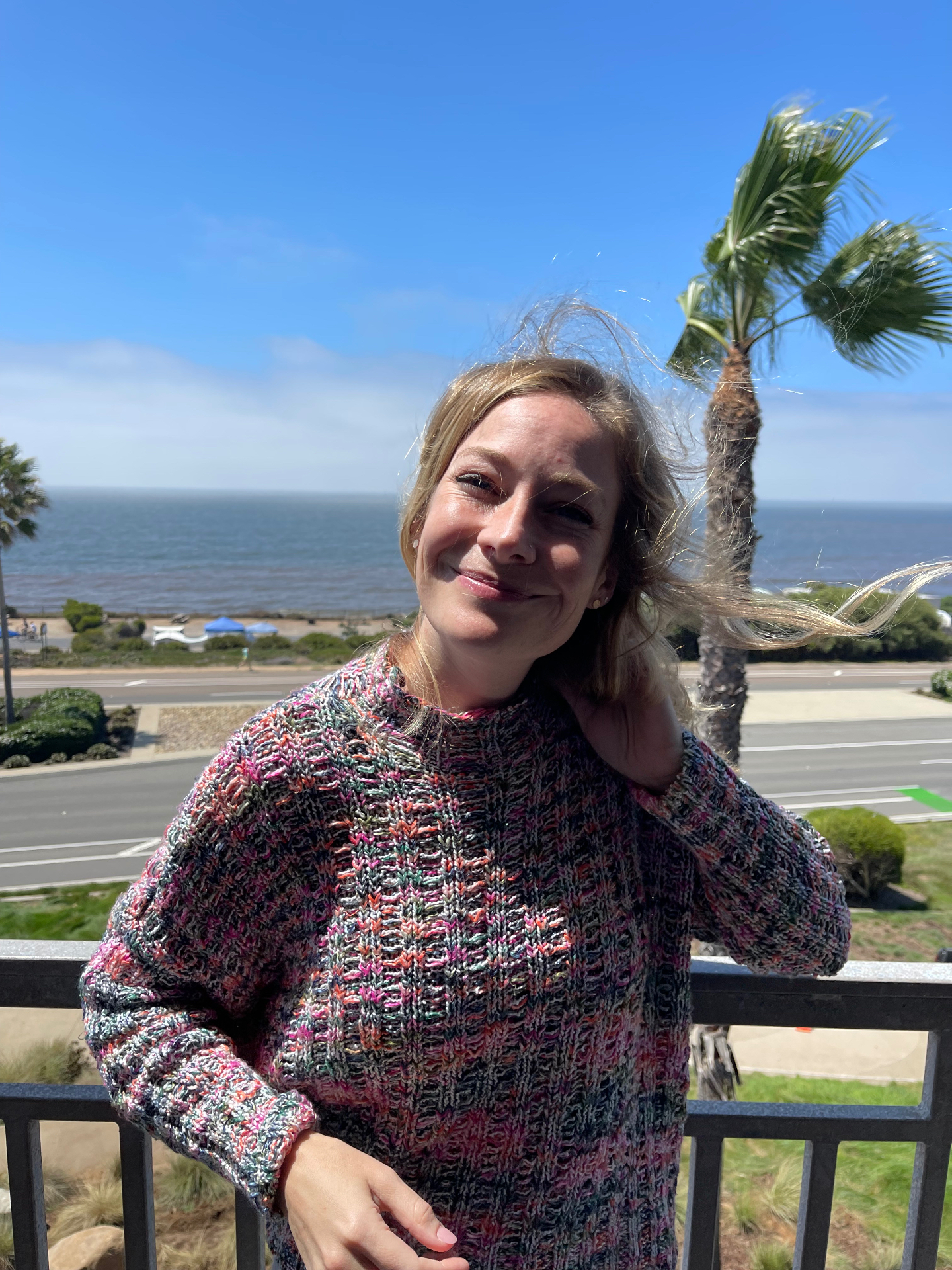
I offer somatic work and nervous-system-informed support for individuals navigating overwhelm, burnout, ADHD-related stress, grief, emotional exhaustion, sensitive nervous systems, motherhood transitions, chronic stress, and life transitions.
Sessions are available virtually and in person for local clients in Bakersfield.