March 17, 2026
Understanding the Highly Sensitive Nervous System
Sensitivity, overstimulation, and learning to experience yourself with greater compassion
Many highly sensitive people spend years believing there is something fundamentally wrong with the way they experience the world.
They are told they are too emotional, too affected, too intense, too reactive, too soft, too overwhelmed, or simply too sensitive. Often these messages begin early in life and continue subtly through school, work, relationships, family systems, and culture more broadly. Over time, many people internalize the belief that their sensitivity is a flaw that needs to be hidden, minimized, managed, or pushed past in order to function successfully in the world around them.
But sensitivity itself is not weakness.
In many cases, it reflects a nervous system that processes emotional, relational, sensory, and environmental information with unusual depth and intensity. Highly sensitive nervous systems often register subtleties, stimulation, emotional dynamics, and environmental shifts more rapidly and more deeply than others around them, which can profoundly shape how someone experiences daily life.
Highly sensitive individuals often notice subtleties others miss. They may feel emotionally impacted by tension in a room, become overstimulated more easily, require more recovery after stress, or experience emotions with significant depth and complexity. Many are deeply empathetic, perceptive, intuitive, creative, reflective, and emotionally attuned.
At the same time, living with a highly sensitive nervous system in a fast-moving and chronically overstimulating culture can become exhausting.
Many sensitive individuals spend large portions of their lives adapting themselves to environments that do not support the way their nervous system naturally functions. They learn to override fatigue, suppress emotional responses, tolerate overwhelming levels of stimulation, push through discomfort, and ignore their body’s need for recovery in order to appear more resilient, capable, or emotionally unaffected.
Eventually, however, the nervous system often begins showing signs of strain.
Without enough recovery, support, or understanding, chronic overstimulation can slowly shift from sensitivity into nervous system exhaustion.
Some people become chronically anxious, emotionally flooded, overstimulated, irritable, exhausted, or unable to fully recover from stress. Others move toward emotional shutdown and numbness after years of carrying too much stimulation without enough restoration. Many sensitive individuals quietly move between overwhelm and collapse while continuing to blame themselves for struggling.
What is often misunderstood is that sensitivity itself is not necessarily the problem. More often, the problem is the chronic mismatch between the nervous system’s needs and the environments or expectations surrounding it.
Highly sensitive people are frequently attempting to function inside systems that reward constant productivity, high stimulation, emotional suppression, rapid responsiveness, and endless social engagement with very little room for rest, recovery, spaciousness, embodiment, or nervous system regulation. Over time, this can create profound exhaustion and disconnection from self.
Many sensitive individuals also become highly skilled at masking. They may appear outwardly calm, capable, high-functioning, accommodating, or emotionally composed while privately feeling overstimulated, emotionally overloaded, and exhausted much of the time. Because they have spent so long adapting to others’ expectations, they may slowly lose touch with their own capacity, needs, limits, and internal signals altogether.
For me personally, discovering that I am a highly sensitive person was one of the most clarifying and validating experiences of my life.
When I first started learning about the HSP experience and identifying myself in it, I did not yet have the lens of nervous system care that I have now. At the time, I simply knew that I experienced the world intensely. I was deeply affected by environments, emotional dynamics, overstimulation, beauty, conflict, pressure, and stress in ways that often felt difficult to explain to other people.
I understood myself as emotionally deep and highly perceptive, but I did not yet fully understand what prolonged overstimulation, chronic stress, emotional burden, and lack of recovery were doing to my nervous system over time.
As I later began studying nervous system regulation, stress physiology, embodiment, trauma, and somatic work more deeply, many experiences that once felt confusing began making more sense together.
I began recognizing how often highly sensitive individuals are trying to function inside environments that overwhelm their nervous systems while simultaneously criticizing themselves for struggling within those environments. I also began understanding how many of the coping strategies I had developed over time were not signs of weakness, but adaptations created by a nervous system attempting to manage too much stimulation, pressure, and emotional input for too long without enough support or restoration.
Rather than feeling limiting, this understanding felt unexpectedly empowering. It allowed me to stop viewing sensitivity as evidence that something was wrong with me and begin recognizing it as a real and meaningful aspect of how some nervous systems experience the world.
In many ways, it also created more compassion for others.
I think many highly sensitive people spend years trying to become less affected by life instead of learning how to become more supported within it.
One of the most healing shifts for many sensitive individuals is beginning to approach themselves with curiosity rather than shame.
Not:
Why am I like this?
But:
What does my nervous system actually need in order to feel safe, supported, and sustainable?
That question often changes everything.
It invites a different relationship with pacing, rest, boundaries, stimulation, relationships, work, and emotional processing. It also creates space to recognize that needing recovery, quiet, emotional safety, slowness, or time alone does not mean someone is incapable or fragile. It may simply mean their nervous system processes the world more deeply and therefore requires different forms of care and restoration.
This does not mean sensitive individuals should withdraw from life or avoid all stress. Human nervous systems grow through flexibility and adaptive experiences. But there is a meaningful difference between healthy challenge and chronic overwhelm.
Many highly sensitive people have spent so long trying to become less sensitive that they have never fully explored what it might look like to become more supported instead.
In my experience, nervous-system-informed support can help sensitive individuals begin recognizing overwhelm earlier, understanding their body’s signals more clearly, building healthier boundaries, recovering more intentionally from overstimulation, and developing greater self-compassion around the way they naturally experience the world.
Over time, sensitivity often begins feeling less like a flaw and more like an important part of someone’s humanity.
Sensitivity can bring emotional depth, empathy, creativity, intuition, thoughtfulness, relational awareness, and the capacity to experience beauty and connection in profound ways. The goal is not to harden highly sensitive people into becoming less affected by life. More often, the goal is helping them build enough steadiness and support that their nervous system no longer has to remain in constant survival mode.
Human beings were never meant to exist disconnected from their emotions, bodies, environments, or need for restoration.
Sensitivity does not make someone weak.
Sometimes it simply means their nervous system has been feeling more of the world all along.
About Dr. Rice
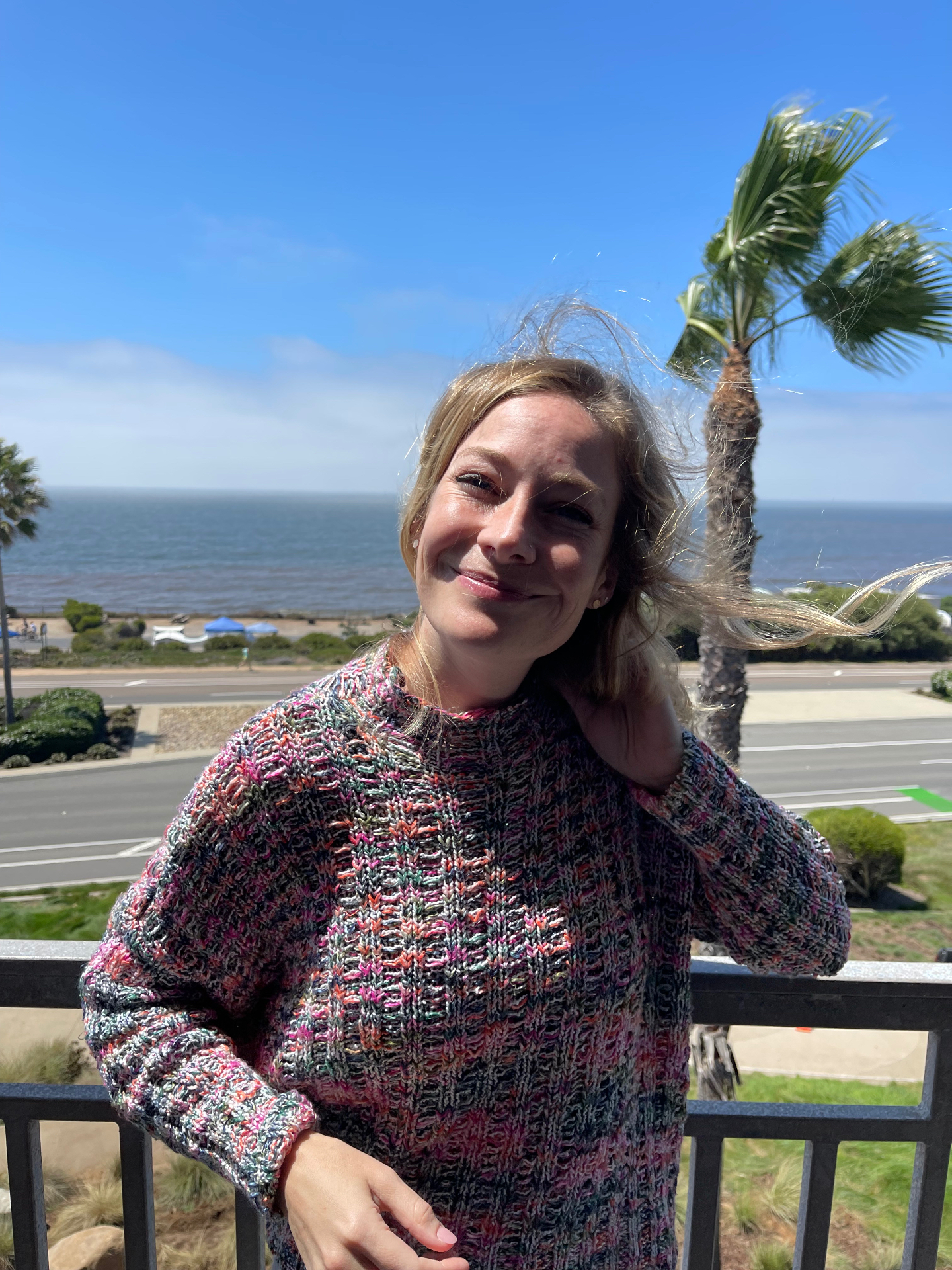
I offer somatic work and nervous-system-informed support for individuals navigating overwhelm, burnout, ADHD-related stress, grief, emotional exhaustion, sensitive nervous systems, motherhood transitions, chronic stress, and life transitions.
Sessions are available virtually and in person for local clients in Bakersfield.