May 18, 2026
When a Pet Dies, the Nervous System Grieves Too
The quiet heartbreak of losing a companion who helped your body feel safe in the world
Dedicated to MK, the senior cat who touched countless hearts and lives, and to her dear companion Brittany. Your love for one another sent ripples through the universe. May they continue through time.
And in loving memory of my sweet Lena Loo and the many beloved companions whose love continues to live within us long after they are gone.
Earlier this month, someone I care about lost a beloved pet. One I loved too.
I grieved this profound loss from a distance. As well, their loss brought back the swelling memory and deep grief of losing so many dear animals throughout my own life. Each loss different. Each one acutely painful in its own way.
I think people often underestimate how deeply animals become woven into our hearts and the nervous system, as well as the emotional fabric of our lives.
A beloved pet is rarely “just a pet.” They are our family.
Over time, they become companions, attachment figures, emotional witnesses, trusted confidants, protectors, daily rituals, sources of comfort, and deeply familiar presences within the body and home.
They move beside us through heartbreak, illness, grief, loneliness, motherhood, transitions, trauma, healing, anxiety, ordinary mornings, sleepless nights, and seasons of life when very little else feels steady.
Many people have spent years sleeping beside their animals, crying beside them, holding them during panic or heartbreak, talking to them during lonely seasons, or simply feeling their quiet presence nearby while trying to survive difficult periods of life.
I believe that when each animal comes into our lives there is a soul connection that cannot be denied. Each bond we form is nuanced and unique. It leaves a special and lasting imprint on our lives.
The heart and nervous system remember all of the experiences that come to be our time together.
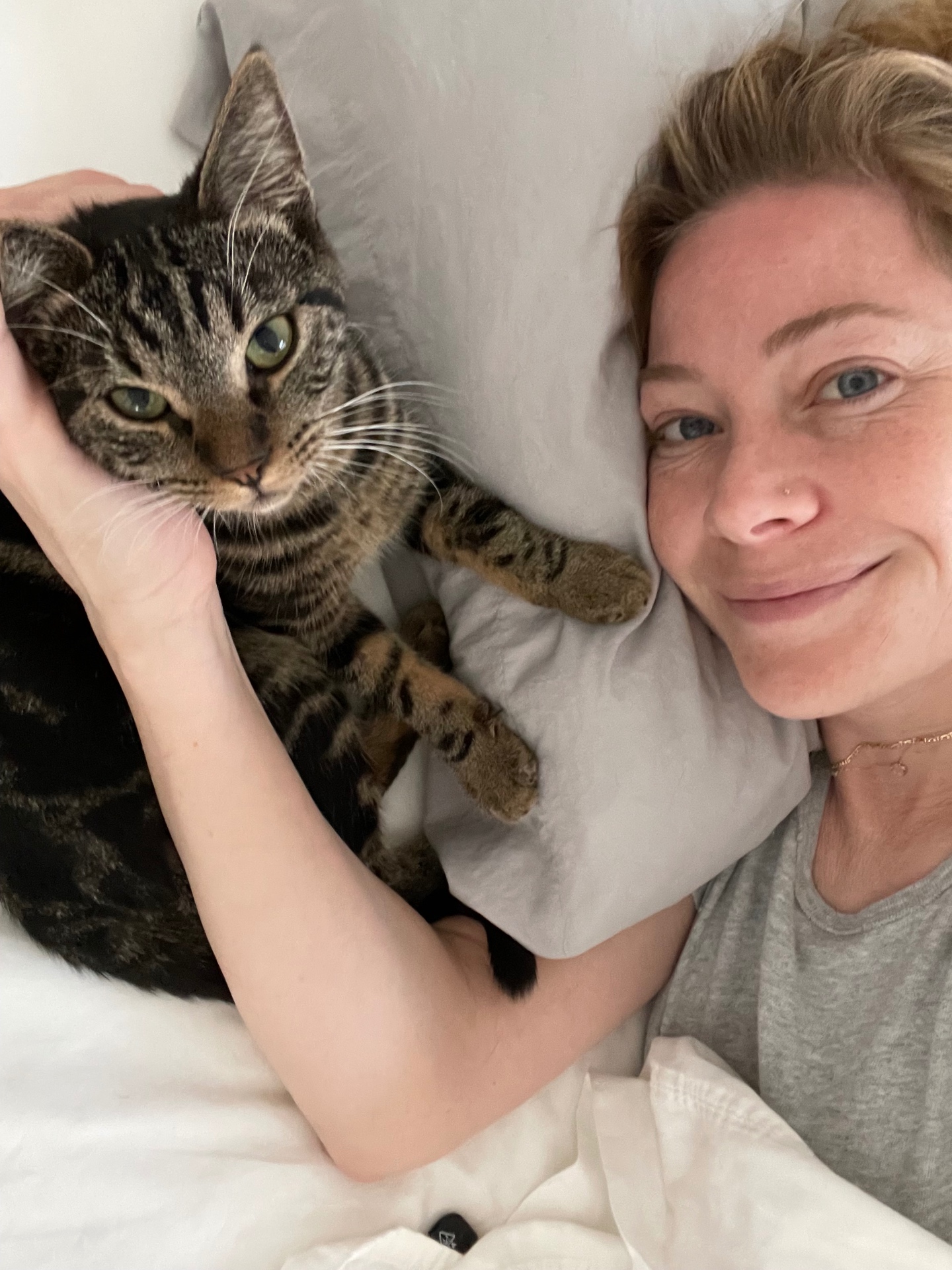
This is why losing a beloved animal can feel so physically devastating.
When a deeply bonded pet dies, many people experience not only emotional grief, but physical heartache and nervous system disorientation. The house feels different. Silence feels louder. Daily routines suddenly feel painfully empty. The body instinctively continues listening for footsteps, expecting familiar sounds, reaching toward routines that no longer exist.
Especially after years of physical closeness and co-regulation, the nervous system does not immediately understand absence.
For individuals who physically snuggled with their fur baby daily, slept beside them, carried them through stressful seasons, or relied on their companionship for emotional steadiness, the loss can create a profound physiological void. The body had adapted to their warmth, movements, sounds, rhythms, and emotional familiarity.
And then suddenly, they are gone.
This is one reason this kind of grief can feel consuming.
Many grieving pet owners experience intense sadness, emotional flooding, numbness, anxiety, exhaustion, difficulty sleeping, physical heaviness, brain fog, shutdown, loneliness, or waves of grief that arrive unexpectedly throughout the day. Certain moments can feel almost unbearable. Opening the door without being greeted, seeing an empty bed in the corner, waking up and instinctively reaching for them, realizing there will be no familiar sound of them moving through the house again.
Grief lives inside ordinary moments after loss.
And yet pet grief is often minimized socially in ways other forms of grief are not. People may hear comments suggesting they should move on quickly, get another pet immediately, or avoid becoming “too emotional” over the loss of an animal.
But attachment does not become less meaningful simply because the relationship was with an animal rather than another human being.
In some cases, the relationship may have felt emotionally safer, more physically comforting, more consistent, and less complicated than many human relationships someone has experienced.
In many cases the bond is stronger and the connection deeper. Animals love with extraordinary steadiness.
They remain present through difficult seasons without requiring explanation, performance, emotional masking, or words. They become intertwined with the nervous system’s understanding of comfort, familiarity, safety, and companionship in ways many people do not fully recognize until they are gone.
I also think pet loss can reopen grief connected to entire chapters of life.
Sometimes people are grieving not only the animal itself, but who they were during the years they shared together. Certain pets were there during marriages, divorces, pregnancies, illnesses, childhood, loneliness, healing, motherhood, major moves, trauma, or profound personal transformation. Their presence becomes tied to entire emotional landscapes within memory.
When they die, the nervous system often feels the loss on multiple levels at once.
This is one reason compassionate support matters after pet loss. The nervous system often needs tenderness, time, emotional witnessing, and supportive connection while adjusting to the absence of someone who brought so much joy, comfort, steadiness, and love to everyday life.
In my experience, one of the most healing things grieving individuals can hear is that their heartbreak makes sense.
Of course the body notices the absence.
Of course the nervous system grieves someone who brought comfort, routine, companionship, emotional steadiness, and unconditional presence into daily life for years.
Love leaves a lasting imprint on the heart and nervous system.
So does loss.
And over time, many people slowly learn how to move forward while still honoring the animals they loved so deeply. Through memories, rituals, photographs, stories, quiet moments of remembrance, or simply continuing to carry the love and companionship they shared within their everyday lives, those bonds often remain emotionally meaningful long after physical presence is gone.
The grief changes shape over time, but the relationship itself often continues to live on within the heart, body, and memory.
One of the most compassionate things we can do is allow ourselves to acknowledge how deeply meaningful those bonds were and continue to be. The love we share with our beloved pets never really dies, it changes the shape of our hearts and lives, and lives on.
About Dr. Rice
I offer somatic work and nervous-system-informed support for individuals navigating grief, emotional overwhelm, burnout, sensitive nervous systems, chronic stress, motherhood transitions, ADHD-related stress, illness, relational loss, and major life changes.
Sessions are available virtually and in person for local clients in Bakersfield.